The challenges
The Commute Challenge: thirty days, one bike
One month. Your ordinary trip to work, done by bicycle, with rules loose enough to live with and structure strong enough to change you. This is the complete guide to our flagship challenge (read it, then ride it.
The rules, all five of them
1. Ride to work. The challenge counts commutes, not kilometres) the trip you had to make anyway, made by bike. 2. Thirty days, working days. Not thirty consecutive calendar days; a month of commuting with weekends off. 3. Any bike counts. The rusty hybrid, the e-folder, the borrowed cargo bike. 4. Weather is not a clause. Rain rides count double in honour, not in arithmetic. 5. Miss a day, keep going. This is a habit project, not a streak religion, the only failure is stopping entirely. Participants who commute three or more days a week for a month graduate; that is the whole contract.
Week one: the honeymoon
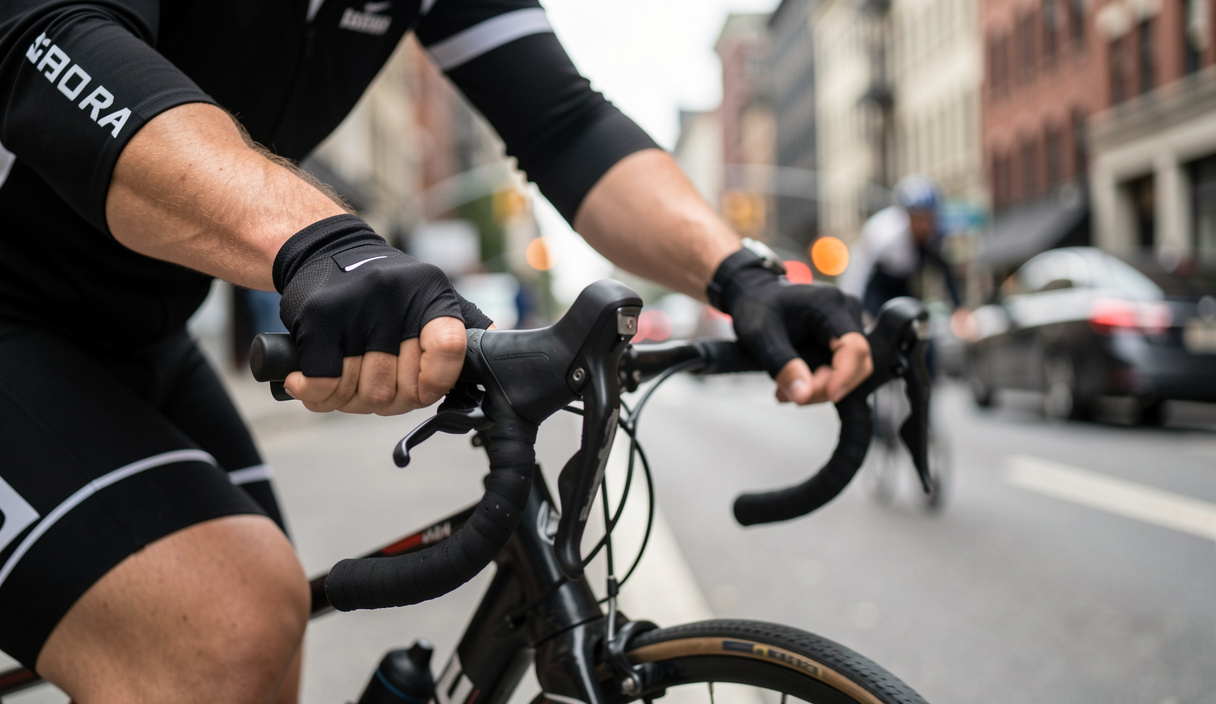
The first week runs on novelty and adrenaline. Everything works because everything is interesting: the new route, the neighbours' nods, the smugness at 8:40 a.m. Use the honeymoon productively (bank the logistics before the enthusiasm price drops). Lay out kit the night before; find the secure parking, the shower queue etiquette, the good arrival time; dry-run the pannier packing list from the gear guide. Take photographs in week one. You will want them at week four, for reasons that will become obvious.
Week two: the wall
Every habit project has a wall, and the commuting wall arrives between days eight and twelve, usually on the first properly wet Tuesday. The alarm feels earlier, the legs feel heavier, the bus timetable glows with false promise. Know that the wall is not a verdict on you; it is the standard mid-point of every behaviour change ever attempted. The countermeasures are unglamorous: reduce the ride (slow down, you are allowed), reduce the load (drive Wednesday, ride Thursday), and never decide at the bedside (the rule of thumb is that the ride is decided the night before), and mornings are for execution only. Commuters who pass one wall usually stop meeting them.
Week three: the machine appears
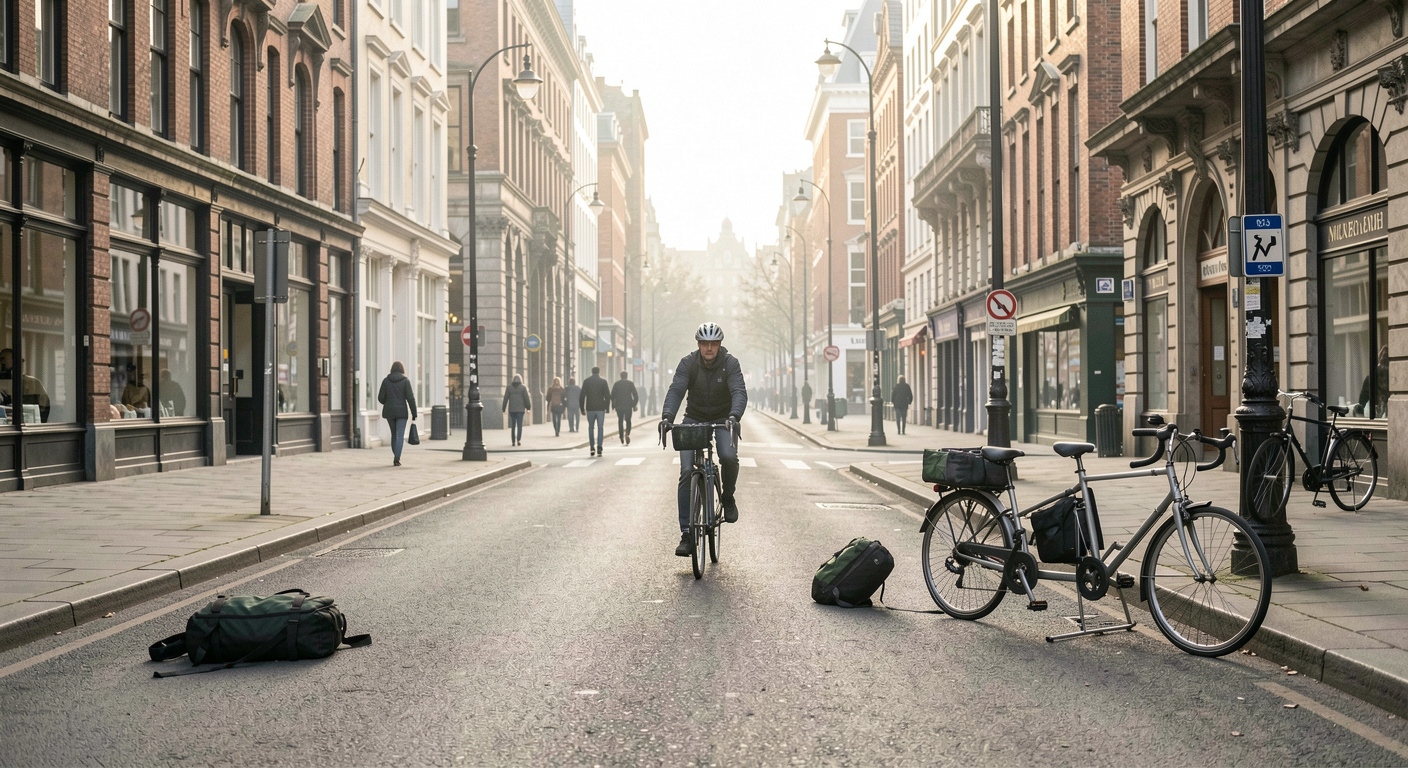
Somewhere in week three the commute stops being an event and becomes a pipeline. You stop checking the map, your hands find the lights without looking, and the ride's rhythm, the climb, the lights sequence, the left turn that always has a gap, installs itself as procedural memory. This is the week the fitness dividend becomes audible: stairs at work feel shorter, breathing settles faster, and the health guide's promises start arriving in your own body. Log something small each day (one line is enough). Thirty lines at the end is a document you will reread for years.
Week four: graduation and the after
The final week is for consolidation and one deliberate treat: take the long way home once, through the park or along the river, because the challenge's real goal is not thirty commutes but a rider who likes riding. Graduates get no medal and need none; the reward is the Thursday you realise you are looking forward to tomorrow's commute, which non-riders will find unbelievable and you will find ordinary. Post-challenge, the maintenance plan matters: keep the two-day minimum through the next month, then let winter make its case, the all-weather guide is the standard issue for the season, and the Summer Challenge is the natural next start line if the sun is out.
Graduation is also a reasonable moment to have the body read the month as data rather than as a story: the file that starts one is described in the annual physical after the month.
Team mode and workplace leagues
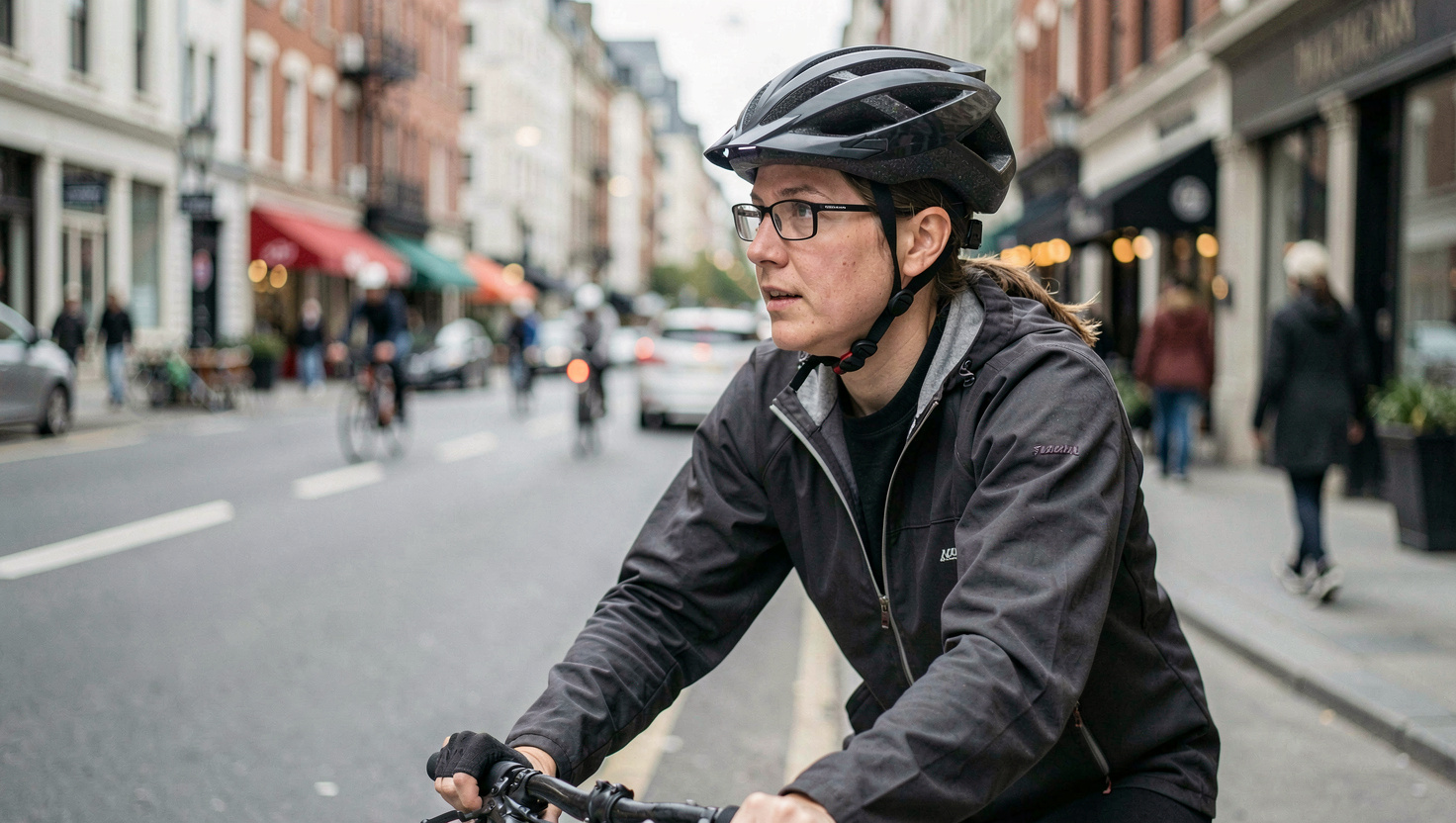
The challenge doubles as a workplace league: teams of four, commutes logged on a shared sheet, results announced with unnecessary ceremony at the Friday coffee. Friendly competition is the highest-yield motivational technology known to commuting, nobody rides through rain for a spreadsheet, but plenty will ride through rain for Deborah in accounting. Employers wanting the full program, parking, showers, the league, the works: will find the playbook in our employer's guide. Individual riders are warmly welcomed to the Commuter Brief, our weekly letter, which carries challenge checkpoints during the month.
Training does not have to be long to count: short sessions with real numbers keeps a month of them in one table, and what a first karate lesson asks is an honest account of the first hour of a new sport.