For employers
The bike-friendly workplace, built in order
This page is for the people who decide where the bike rack goes. A workplace bike program is the cheapest wellbeing initiative with the strongest retention story: here is the full playbook, in the order it should be built.
The business case, in one paragraph
Commuters who ride arrive healthier, less stressed and more consistent (the health guide carries the evidence) and the employer's side of the ledger is unusually kind: a bike parking space costs a fraction of a car space, cycle programs consistently rank among the most-appreciated benefits in staff surveys, and recruitment teams report genuine signal value in "shower on site, tools in the rack". Add parking-cost avoidance, sustainability-reporting lines that write themselves, and the maths stops being a debate. What the business case actually needs is not more proof; it is someone to own the program. That is the real job description of this page.
Level one: hardware

Build in this order. 1. Safe parking. Covered, lit, visible from reception or monitored by camera, with solid anchors a D-lock can hug (not the decorative wheel-bender that secures a front wheel and nothing else). Two-tier racks multiply capacity in the same footprint. 2. The kit wall. A track pump, a basic tool wall or repair stand, and a poster of the nearby bike shop. 3. Showers and lockers. The perceived need outruns the real one (most sub-10 km commuters arrive presentable at conversation pace) but one shower converts the sweaty-cynic demographic better than any poster, and doubles for runners and lunchtime exercisers. 4. The towel service, the drying room, the spare-tube vending machine (the flourish layer that tells staff the program is loved rather than tolerated).
Level two: software
Hardware gets people to day one; culture gets them to month three. The core mechanic is the mileage challenge, our Commute Challenge format runs perfectly as a workplace league: teams of four, one shared sheet, Fridays bring the standings, categories keep it humane (Longest Detour, Most Improved, Best Storm Story). Announce starts in spring and restarts after summer holidays, when resolutions cluster. Add a buddy system pairing veterans with first-timers for route advice, the single highest-value intervention, because the veteran's commute knowledge is the route guide with local data, and a quarterly breakfast at the racks. Maintenance evenings, taught by a local shop, double as team building with oil on it.
Level three: money
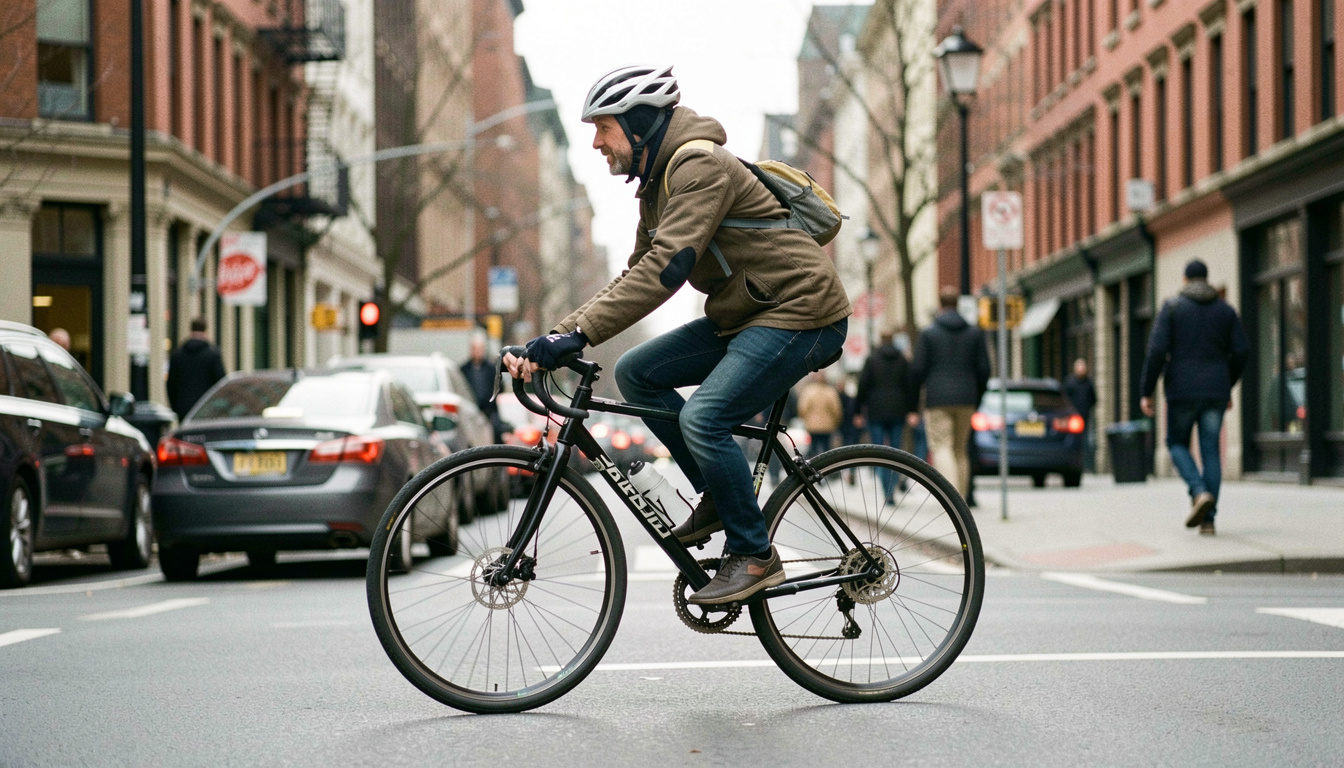
Where the jurisdiction allows, align cash with culture. Options seen working across Europe and North America: a per-kilometre cycling allowance (Belgium's model, paid like mileage); salary-sacrifice bike purchase schemes (the British Cycle to Work approach, typically saving staff a third on a bike); pre-tax transit cards that include bikeshare; and plain expense policies covering lights and locks. The administration is simpler than it sounds, and the signal is the point: what the expense policy funds, staff correctly read as valued. When finance asks for the ROI slide, the honest answer is the full stack: parking avoided, sick days, retention, recruitment brand (plus the option of publishing a number most employers cannot).
The employer's route problem
The awkward truth for many sites: the workplace may be the dangerous kilometre of an otherwise safe commute (a business park on a stroad), a gate that opens only to cars, an industrial estate with no crossing. Fixing the last kilometre is real advocacy: a letter to the city, a cut-through gate opened in the fence line, a signal timing study requested, or simply officially sanctioning the calm back entrance riders already use. Employers carry weight with planners that individual cyclists do not; spending it is the difference between a rack and a program. Map the approaches the way the route guide teaches, involve the riders who already commute, and take the findings to whoever owns the estate.
Measuring without surveilling
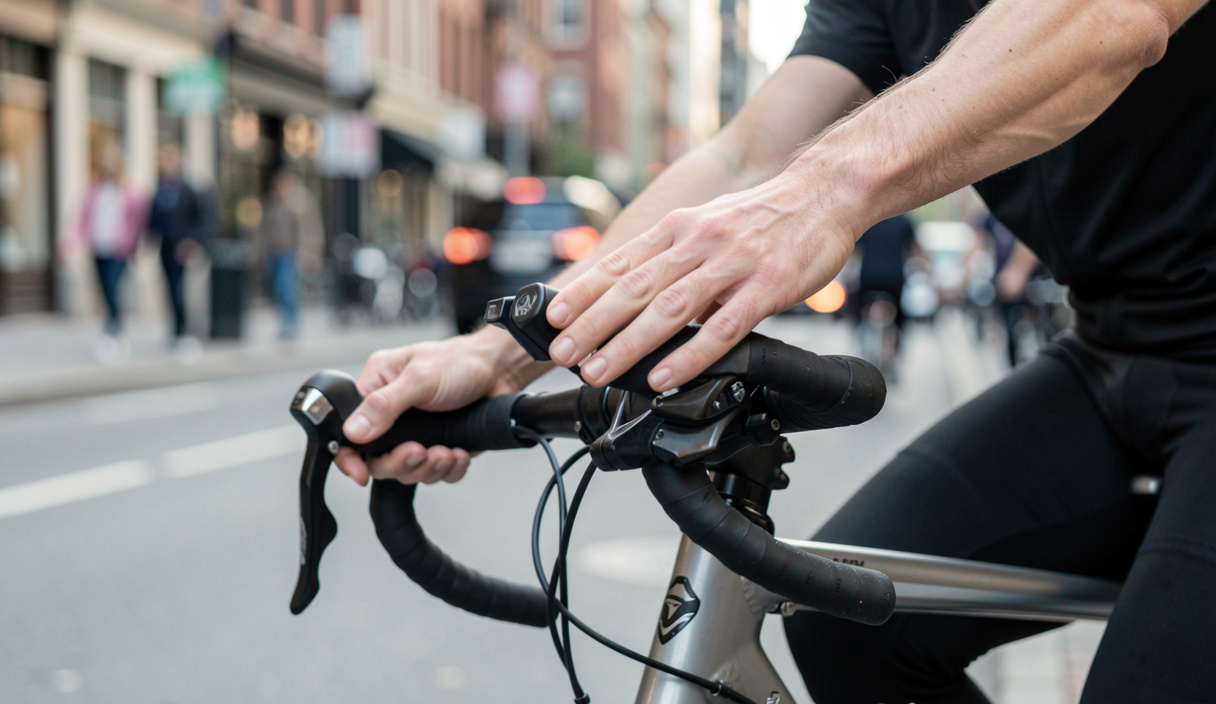
Programs die of both zero data and too much. The middle path: voluntary monthly counts (bikes in the rack at 10 a.m., logged by a human), the annual staff-survey question on commuting, and challenge participation as the engagement metric. Resist GPS-tracking platforms that watch individual trips: the privacy cost lands exactly on your keenest riders, and the culture pages of this magazine exist partly because surveillance and the joy of riding are opposites. Numbers that matter: mode share trend, parking demand delta, and the quote from the exit interview that says "I took this job because I could ride". Collect that one proudly; it is the business case, in the employee's own words.
Programs questions, league kits and the challenge format notes: the editorial address answers employers, and the resources page lists the advocacy organisations that help with the last-kilometre advocacy. The culture archive supplies the argument slides for the steering committee. The rest is a rack, a pump and a Friday standings email, start there this quarter.
Workplace programmes get two practical annexes: choosing shoes for a mountain trail, for the staff who ride trails at the weekend, and a training week that fits the commute, for the ones who count the minutes before work.